 The letterbox you betray
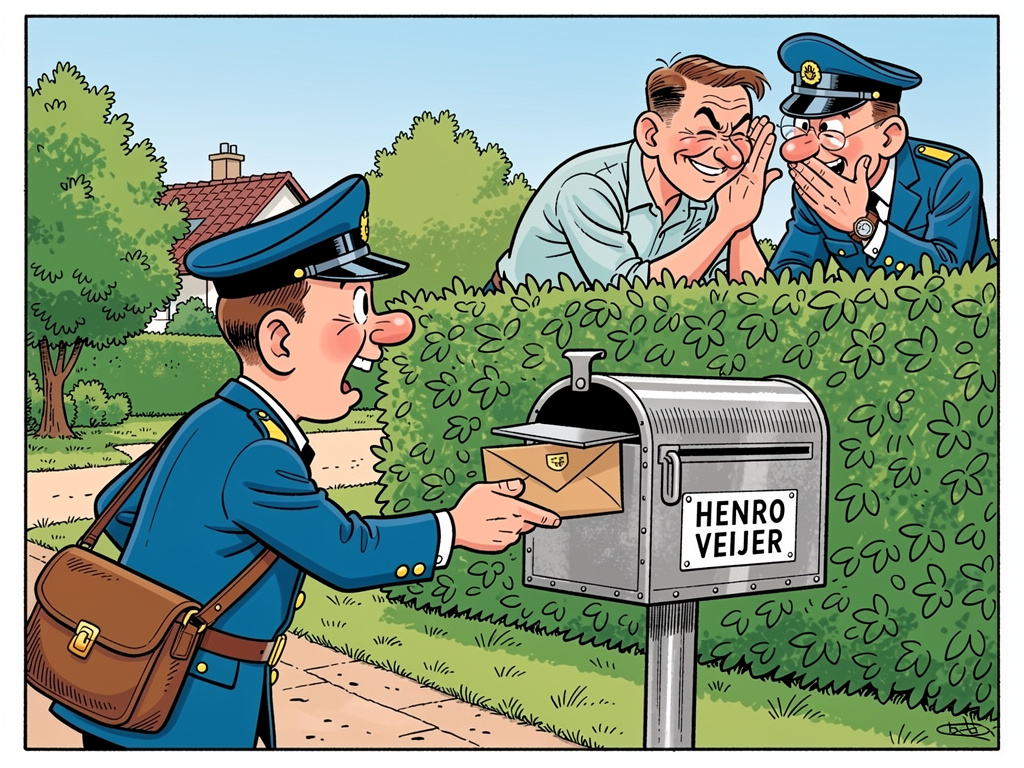
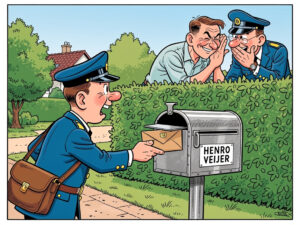
Imagine: You walk to your mailbox and find a brown, anonymous envelope. No sender, no hint. You think: “Fortunately, no one knows what's in it.” But then you hear later on the market that your neighbor knows exactly of whom That envelope was. Not because he opened it, but because the post office resold all that information. ‘Henro receives a package from that one shop every month,’ He says proudly. “And do you know what the craziest thing is? They also knew I wanted to know!’
That's how WhatsApp works too. Your messages are encrypted, so the content remains private. But WhatsApp (and parent company Meta) collect, analyze and sell all metadata: who you send messages to, when, how often, and which groups you are in. And just like that gossiping post office, they combine that data with everything they know about you via Facebook and Instagram. That way they don't just know that you receive a brown envelope, but also of whom, why, and What you're likely to put in that envelope.
“Privacy is not what you hide, but what you don't have to explain.”
The post office as a data broker
I was always proud of my down-to-earth view of technology. Until I discovered that my ‘secure’ messaging app was actually a post office that traded my data. Meta does not know what I write in my messages, but they do know that I receive a message from my doctor every Tuesday at 15:00. And that I am in a WhatsApp group with people who all have an appointment with the same specialist the same day. Combined with my Facebook likes and Instagram searches, it's not hard to guess why I receive these messages.
It's like your mailbox not only delivers your mail, but also has a stall on the market where they sell your postal habits to the highest bidder. What about that bidder? Those are advertisers, governments, or anyone else willing to pay for your data.
“If you don’t think metadata is important, try receiving a brown envelope in a village where the post office relays everything.”
The Illusion of Anonymity
We often think: “Ah, I'm not doing anything wrong, so I have nothing to hide.” But privacy is not about guilt or innocence. It's about choice. The right to decide who knows what about you. And in the digital world, that choice has often already been made for you – by companies that see your data as a commodity.
Take large WhatsApp groups. Let's say you're in a group called “Cycling enthusiasts Utrecht”. Meta not only knows that you are in it, but also who else is in it, how often you send messages, and what other groups those people have. Suddenly they know that you, along with 50 others, organize a bike ride every Saturday through a group that ‘Secret routes’ It's called. And oh, look at this: Those same 50 people also all like a Facebook page on a local political topic. Coincidence? No, patterns they sell.
“Anonymity is like a raincoat: useful until someone recognises you by your shoes – and those shoes are your metadata.”
Signal: the mailbox without a data broker
So what's the alternative? Signal. No metadata leaks, no logs, and open source so everyone can check if they're keeping their promises. It is as if you have a mailbox that is not only locked, but also does not have a post office that resells your data.
Signal is not perfect either. It's still under US law, and that's the next step for me: A service that both technical and legal is waterproof. A European solution, under which our data our rules fall and is not traded as stamps.
“Trust is good, but making it technically impossible is better.”
For now
Research (and my own experience) shows that privacy is important to us all. Until we have to make a choice between convenience and principles. Then we often opt for convenience and habituation. But convenience has a price: Our digital freedom. And that freedom is paid for with our data, packaged and resold as postal packages.
So yes, I stopped using WhatsApp. Not because I have something to hide, but because I refuse to accept the new normal: a world in which our digital mailbox is an open market for anyone who wants to bid.
“Change starts when we stop accepting the unacceptable as inevitable.”
 English (UK)